When you shortlist a face mask sheets manufacturer, the decision you make about sheet base, piece count, and pack format shapes your entire SKU range and shelf appeal. For B2B buyers — brand owners, distributors, spas, and private-label importers — the sheet mask is still the most recognizable facial mask format on the shelf, and getting the substrate right protects both your margin and your repeat-order rate. This guide walks through the sheet materials a capable partner can run, the multi-piece formats that suit different sales channels, and the questions that separate a real manufacturer from a trading middleman. If you are planning a private label launch or expanding an existing mask line, the details below will help you brief suppliers with confidence and avoid costly rework after tooling begins.
Why Working With the Right Face Mask Sheets Manufacturer Protects Your Margin
The sheet is more than a delivery vehicle for serum. Its weight, fit, and breathability change how the formula feels on skin, and those sensory cues drive the reorder decisions that keep a B2B line alive. A serious face mask sheets manufacturer treats the substrate as part of the formulation, not an afterthought, and can recommend a base that matches your active ingredients and price tier.
For startup and mid-size buyers, the biggest cost risk is over-engineering the first order. A partner that pushes the most expensive bio-cellulose film when a well-made non-woven would perform just as well for your claim is costing you margin you may never recover at retail. Conversely, choosing a cheap film that tears during filling creates line rejects and late shipments. The right supplier maps substrate to formula and channel before quoting, not after.
MOQ flexibility matters here. We run Flexible / Customizable minimums reviewed against your formula, packaging, and order plan, so a new brand can validate the market with a smaller first run and scale up once sell-through is proven. Lead time follows the same logic: sampling within a few days and bulk production on a predictable schedule let you time promotions instead of missing them. If you are still deciding between build models, our breakdown of OEM vs ODM face masks explains where each model fits a B2B launch plan.
Sheet Base Materials: What a Capable Partner Should Offer
A qualified supplier should be able to run several sheet bases, because no single substrate fits every formula or price point. The common options:
- Non-woven (cotton / rayon / polyester blend): the workhorse substrate. Low cost, stable on high-speed lines, good serum hold. Ideal for everyday hydration and promotional multipacks.
- Bio-cellulose: a fermented, gel-like film with a second-skin fit and high essence retention. Premium feel and strong social-media appeal, but higher unit cost. See our bio-cellulose sheet mask manufacturer guide for material, cost, and formulation detail.
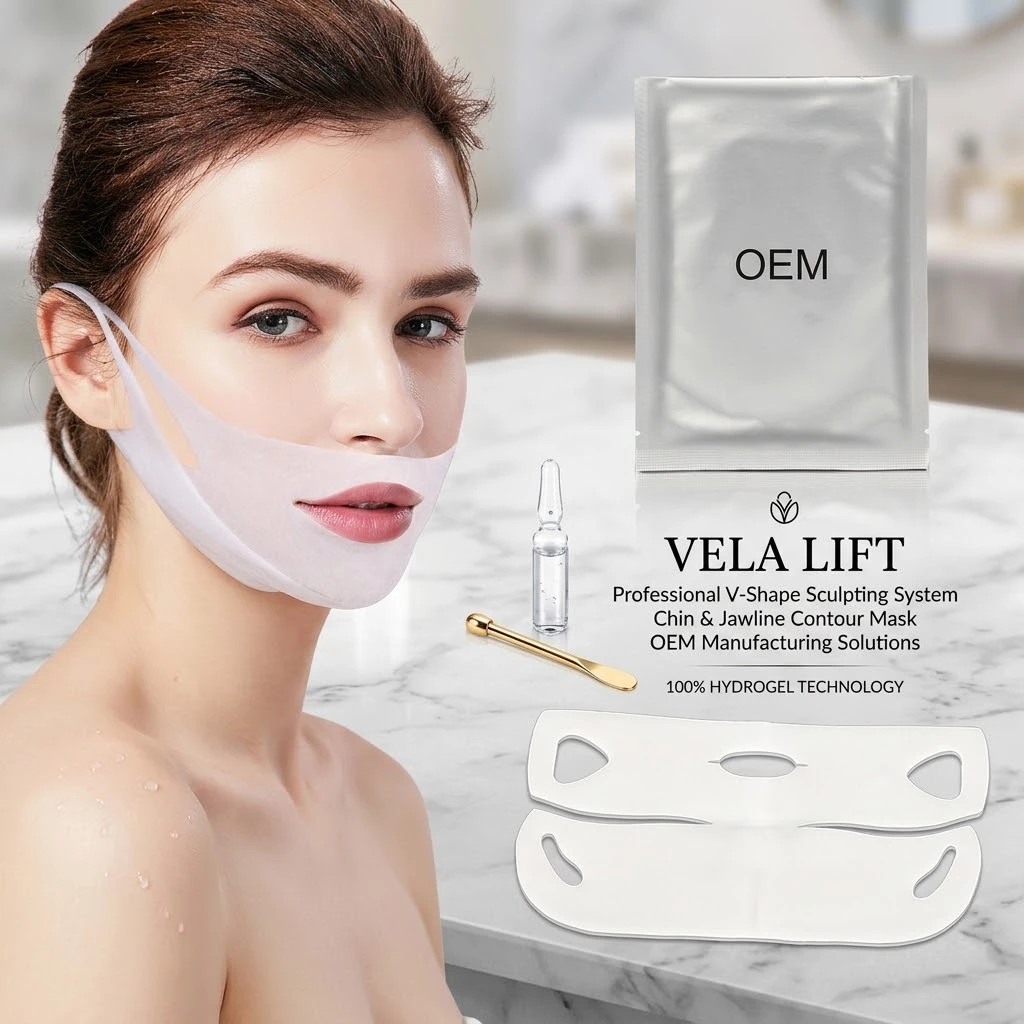
- Hydrogel: a moisture-rich sheet that feels cooling and stays put. Popular for eye and forehead patches and for premium single-dose SKUs where a second-skin feel matters.
- Cupra / Tencel (lyocell): silky, biodegradable plant-derived films with a premium drape. Attractive for clean-beauty positioning.
- Cotton / linen woven: a natural, textured feel used in spa and treatment lines where tactile differentiation matters.
Matching the base to the claim is where formulation skill shows. A hyaluronic acid sheet mask benefits from a film that holds a watery serum without dripping, while a richer overnight style needs a thicker substrate that releases actives slowly. A face mask sheets manufacturer that understands these trade-offs — and can show you a sheet vs hydrogel comparison applied to your formula — saves you from a failed first production.
Multi-Piece Formats and Packaging for Different Channels
Piece count is a merchandising decision as much as a manufacturing one. A face mask sheets manufacturer should support formats that match how your buyers actually use and display the product:
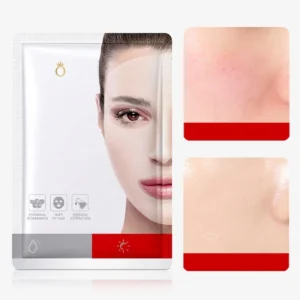
- Single sachet: one mask per foil pouch. Lowest commitment for sampling, subscription box inserts, and travel. Easiest to ship and store.
- 3-piece and 5-piece packs: the standard trial and gift format. Good for new brands building a routine story without a high shelf price.
- 7-piece and 10-piece boxes: a weekly or nightly regimen pack. Higher perceived value and stronger retail presence; needs carton print and insert support.
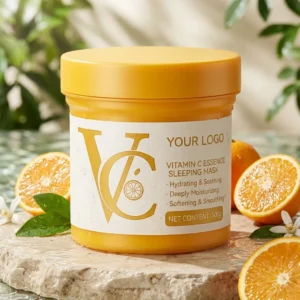
- Jar or tub of loose sheets: less common for Western B2B but used in spa and professional channels where the operator dispenses per treatment.
Packaging is where brand identity lives, so customization options should include pouch material (foil, kraft-look, recyclable mono-material), print (matte, gloss, soft-touch), and carton structure. Our face mask packaging customization guide walks through pouch, jar, and carton choices that hold up on shelf and at logistics. Ask for print proofs and a filled-sample before committing a full run — a misregistered design is cheaper to fix at proof stage than after 10,000 units are printed.
How to Evaluate a Face Mask Sheets Manufacturing Partner
Before you sign, treat supplier selection like a small audit. A credible face mask sheets manufacturer will answer these without hesitation:
- Certifications: ISO 22716 and GMPC / GMP are the baseline for cosmetic GMP. Request copies and verify they are current. Our factory audit checklist lists what to confirm on a site visit or remote review.
- Batch documentation: MSDS and COA per batch, plus formula stability and microbiological results on file. These are non-negotiable for import and for your own brand compliance.
- MOQ and scaling: Flexible / Customizable openings that let you start small, with a clear path to larger runs as volume grows.
- Sampling discipline: a defined sampling window and a development timeline so you can plan a launch. Our sampling and lead-time guide shows the typical steps from brief to bulk.
- Fill and pack capability: confirm the line handles your chosen piece count and pouch size without manual bottlenecking, which is the usual cause of late orders.
Red flags include reluctance to share certs, vague lead times, and pressure to lock a large first order before you have held a filled sample. A real manufacturing partner is comfortable with a staged path: sample, small batch, review, scale.
Common Questions (FAQ)
Q1: What is the typical MOQ for private label sheet masks?
A: Flexible / Customizable — confirmed after we review your formula, packaging, and order plan. New brands can often start with a smaller validation run.
Q2: How long does sampling and production take?
A: Sampling is typically turned around within a few days once the brief is clear; bulk production follows on a predictable schedule that depends on customization and order size.
Q3: Which certifications should I verify before ordering?
A: ISO 22716, GMPC, and GMP are the baseline. MSDS and COA are provided per batch, and stability or microbiological results should be available on request.
Q4: Can a manufacturer run a fragrance-free or sensitive-skin sheet?
A: Yes. A capable partner can formulate without added fragrance and select a low-irritation substrate, then document the formula for your compliance file.
Get a Quote / Request Samples
If you are scoping a sheet mask line, the fastest path is to share your target channel, piece count, and claim, and we will return a substrate and packaging recommendation with a sample plan. Review the 10 questions to ask before signing a mask OEM contract so your brief covers the points that protect your launch. Reach out today to request samples or a customized quote — MOQ is Flexible / Customizable, and our team will help you move from concept to shelf without the rework that burns margin.