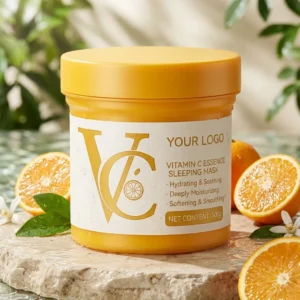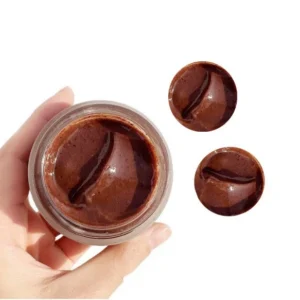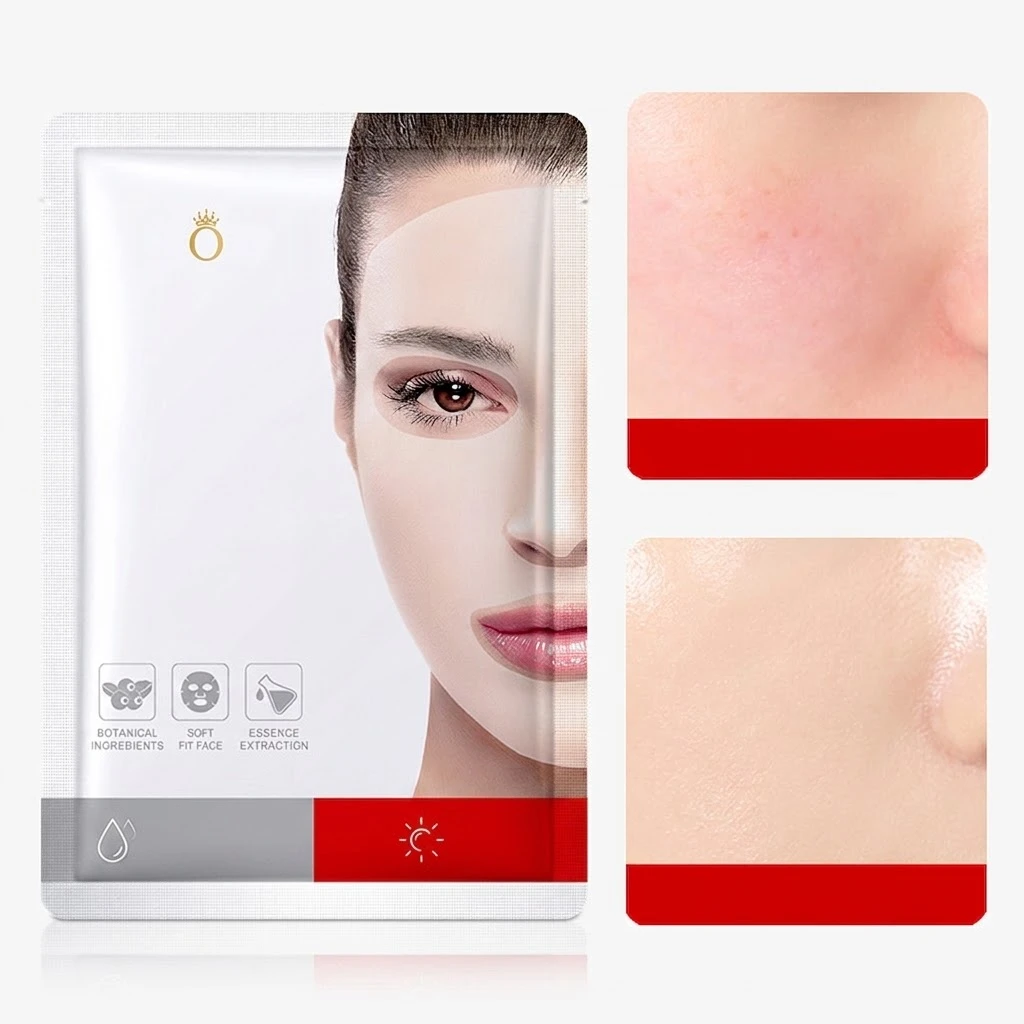
For overseas brands, distributors, spas, and Amazon or TikTok sellers, the difference between a mask that gets reordered and one that quietly disappears from shelves usually comes down to one thing: face mask formulation. A strong formula is what turns a generic sheet or jar into a product with a defensible texture, a believable benefit story, and a roadmap your manufacturer can reproduce batch after batch. The formulation layer is also where your brand earns the right to a premium price, because texture and performance are felt by the user before any written claim is read. This guide walks B2B buyers through how professional formulation actually works—from base selection and active selection to stability, preservation, and the compliance paperwork that lets you import with confidence. If you are building a private label line and want to understand what your supplier is really doing behind the scenes, read on.
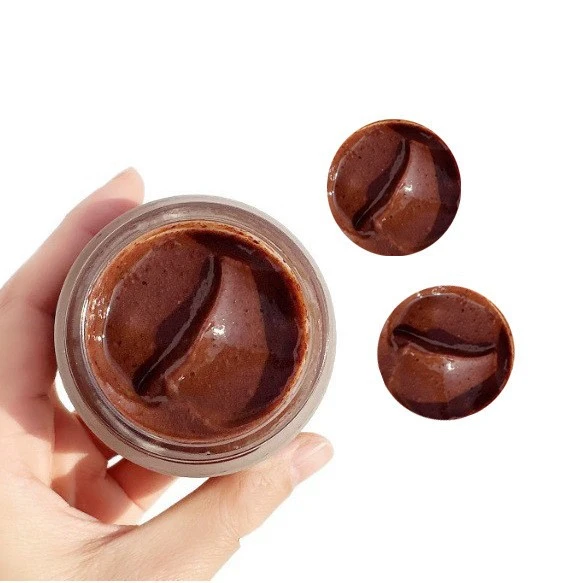
Why Formulation Decisions Drive Your Private Label Margins
When you brief a manufacturer, the formulation brief—not the label artwork—sets your cost structure. A face mask formulation built around a simple water-gel base with one hero active is far cheaper to scale than a multi-phase emulsion carrying three encapsulated actives and a fragile botanical blend. That does not mean the cheap route is better; it means the formula should match the price point and the claim you intend to sell at. Brands that skip this conversation often end up with a product that feels right in the sample and then drifts by the third production run, eroding the reorder rates that keep a private label line profitable.
The formulation also shapes how retailers and distributors perceive your brand. A consistent skin feel and a stable appearance across batches signal a serious supplier relationship, while visible batch-to-batch variation raises questions during buyer meetings and quality audits. Before you sign, compare the two production models in our OEM vs ODM face mask guide, because the model you choose changes who owns the formula and how much you can customize it. With ODM you adapt an existing base; with OEM you drive a bespoke face mask formulation from the actives up, which is where the strongest differentiation lives.
Key Steps in a Professional Face Mask Formulation
A credible manufacturer runs formulation as a staged process, not a single mix-and-fill. The typical sequence looks like this:
- Brief and benchmark – You share the target skin feel, benefit angle, and any reference product. The lab translates that into a written specification rather than a guess, so everyone measures success against the same target.
- Base selection – Water-based gel, non-woven sheet essence, hydrogel, cream, or clay. Each base changes the entire face mask formulation downstream, from the preservative system to the filling method and even the packaging format you can use.
- Active and sensory design – Concentration of humectants, film formers, and botanicals is balanced against texture and stability, so the product feels premium and performs as described.
- Stability and challenge testing – The formula is aged at heat, cold, and light to confirm it does not separate, discolor, or lose activity during the months it may sit in a warehouse or on a shelf.
- Pilot batch and sign-off – A small run confirms the real-world feel and filling behavior before bulk production begins, giving you a physical reference for future orders.
If you want to see how a base choice plays out in practice, our hydrogel face mask OEM breakdown shows why gel-matrix systems need a different preservative and filling approach than a standard sheet essence, and our sheet mask vs hydrogel comparison explains where each substrate fits a product line.
Matching Actives to Your Face Mask Formulation Goal
The active stack is where most buyers focus, and rightly so—but actives only perform inside a formula that supports them. A face mask formulation aimed at a hydration story leans on humectants and film formers, while a clarifying story leans on clays and gentle exfoliating acids. The common mistake is stacking actives without checking compatibility, pH windows, or the order in which they are added during production. Documenting the target pH and the maximum recommended concentration for each active keeps the brief unambiguous and shortens the sampling loop, so your supplier spends less time guessing and more time refining the feel.
For a hydration-led line, the hyaluronic acid sheet mask formulation guide explains how molecular-weight humectants are layered for both surface and longer-lasting moisture feel. For a brightening or barrier story, our niacinamide and centella actives overview covers two of 2026’s most requested ingredients and the formulation guardrails around them. And when a collagen or bio-collagen positioning fits your brand, the collagen mask base options guide breaks down how the base and the active work together rather than competing for stability.
Stability, Preservation, and Compliance for Custom Mask Formulas
A beautiful sample that fails preservation is a liability, not a product. Every formula shipped to international buyers must carry a preservative system validated for the intended markets, plus the documentation importers expect: MSDS, COA per batch, and region-specific filings such as CPNP for Europe. Climate during shipping matters too—a formula validated only at mild temperatures can break down on a long route through heat and humidity, so reputable suppliers test against the lanes you actually ship.
Clean-beauty positioning is possible, but “preservative-free” claims require alternative hurdle systems and should be discussed openly with your supplier rather than assumed. Our vegan and clean beauty compliance guide details the documentation and claim boundaries B2B buyers should verify before launch. And when you are weighing premium substrates, the bio-cellulose sheet mask material and cost guide breaks down how a high-end substrate changes both the formula and the unit economics of your line.
Common Questions (FAQ)
Q1: What is the typical MOQ for a custom mask formula?
A: MOQ is Flexible / Customizable—it is confirmed after we review your base, active complexity, and order plan. Simpler formulas generally qualify for lower starting volumes, which helps new brands test the market.
Q2: How long does sampling and production take?
A: Sampling is typically completed within 3–7 days after the brief is locked; bulk production runs 7–15 days depending on customization and filling format.
Q3: Which certifications should I verify before ordering?
A: Look for ISO 22716, GMPC, and GMP at the facility level, with MSDS and COA provided per batch. These are the documents most importers ask for during customs and retail onboarding.
Q4: Can I replicate a competitor’s mask through formulation?
A: A benchmark sample can be reverse-engineered to a comparable feel and benefit profile, but exact duplication depends on proprietary actives. A good lab will propose a formula that hits your target spec without infringing a competitor’s recipe.
Get a Quote / Request Samples
If you are ready to turn a concept into a reproducible product, our team can take your brief and return a formulation proposal with base, active, and packaging options matched to your market. We support Flexible / Customizable MOQ, provide MSDS, COA, and CPNP-ready documentation, and run stability checks before bulk production. Tell us your target skin feel and benefit angle, and we will outline a development timeline and a sampling plan for your brand.