Sourcing a hyaluronic acid sheet mask that actually delivers on hydration is one of the most common requests we receive from private label skincare brands, spa chains, and distributors entering the facial mask category. Hyaluronic acid remains a hero humectant because it draws moisture into the upper skin layers and gives an immediately refreshed, plump feel that buyers notice after a single use. For B2B buyers, the real question is not whether the ingredient works, but how to formulate, package, and scale it without sacrificing texture, stability, or shelf life. In this guide we break down the formulation decisions, molecular-weight strategy, and manufacturing workflow behind a market-ready hyaluronic acid sheet mask, and show where a flexible OEM/ODM partner fits into your launch plan.
Why a Hyaluronic Acid Sheet Mask Still Sells in a Crowded Market
Hyaluronic acid is already well understood by consumers across North America, Europe, and Asia, which means lower education cost for your sales team and faster repeat orders. A well-built hyaluronic acid sheet mask pairs the hero ingredient with a compatible essence and a substrate that holds the serum without dripping or tearing. Buyers reorder when the experience is consistent batch to batch, so formulation stability matters more than a flashy claim. Brands that private label this format benefit from a product that slots into hydration, after-sun, and travel routines without needing clinical language. The category also converts well as an entry SKU because the benefit is tangible and the price point is approachable for first-time customers.
If you are comparing formats, our sheet mask vs hydrogel formulation guide covers substrate trade-offs in detail. Many buyers start with sheet masks because tooling is simpler and unit cost is easier to control at flexible volumes.
Key Formulation Decisions for a Hyaluronic Acid Sheet Mask
Molecular weight matters
Hyaluronic acid is available in high, medium, and low molecular weights. High-weight grades sit on the surface and give a smoothing, film-like feel; low-weight grades are associated with deeper surface hydration. A layered blend tends to read as both instant and lasting refreshment. We typically build the essence around a balanced blend rather than a single grade, then adjust viscosity for the chosen substrate so the mask feels premium rather than sticky.
Essence stability and preservation
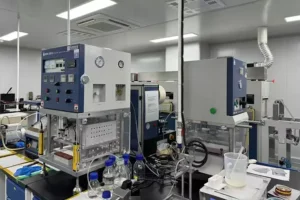
The serum must stay clear, low-odor, and stable across temperature swings during shipping. That means a preservation system suited to a water-rich formula and a pH tuned for skin comfort. Overloading actives can trigger separation, so we validate each batch for appearance, viscosity, and pH before filling. A stable hydration mask protects your brand reputation because the product that reaches the customer looks and feels the same as the approved sample.
Substrate choice
Cupra, lyocell, and biodegradable plant fibers each change how the hyaluronic acid sheet mask feels and how much essence it carries. A thinner substrate feels lighter and more breathable; a thicker one delivers more serum per use. Your brand positioning should drive the choice, not the other way around. We keep multiple substrate weights on hand so a buyer can test fit and absorption before committing to a bulk run.
For a broader view of manufacturing models, see our overview of OEM vs ODM mask manufacturing, which explains where formulation ownership sits in each model and how private label branding layers on top.
Packaging and MOQ Options for Your Hydration Mask
Sachet, pouch, and jar formats
Single-use sachets are the default for sheet masks and keep the essence fresh per application. Resealable pouches suit multi-mask sets, while folded formats reduce carton size for e-commerce shipping. The packaging decision affects both shelf presence and logistics cost, so we review your channel plan before locking a format. Print and foil options also influence perceived value, which matters when the mask sits next to premium competitors on a retail shelf.
MOQ flexibility
MOQ is Flexible / Customizable for private label programs. After we confirm the formula, substrate, and packaging, we propose a starting order that fits your cash flow and test-market goals rather than a rigid minimum that blocks small brands. This lets a new label validate the formula with a modest first batch and scale only after real sell-through data comes in.
If you are building a private label face mask line, our private label face mask program outlines how branding, formula, and packaging come together under one workflow.
Certifications and Quality You Should Verify
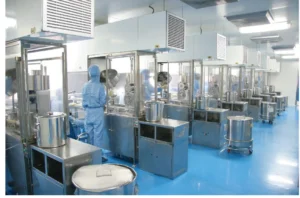
Buyers importing into the EU, UK, or Middle East increasingly ask for documented quality systems. We operate an ISO 22716 and GMPC certified facility, and each batch ships with MSDS and COA so your import and registration steps stay clean. Confirming these documents early avoids delays at customs and gives your downstream retailers confidence. For brands watching ingredient trends, our bio-collagen overnight mask trends article shows how actives roadmaps overlap with hydration positioning and where the two formats complement each other in a range.
How to Evaluate a Sheet Mask Production Partner
Ask for batch documentation
A serious manufacturer answers documentation requests without friction. MSDS, COA, and ingredient traceability should be standard, not a favor. When you choose a hyaluronic acid sheet mask supplier, request a sample batch record alongside the physical sample so you can verify that what you test is what you will receive at scale.
Review the sampling workflow
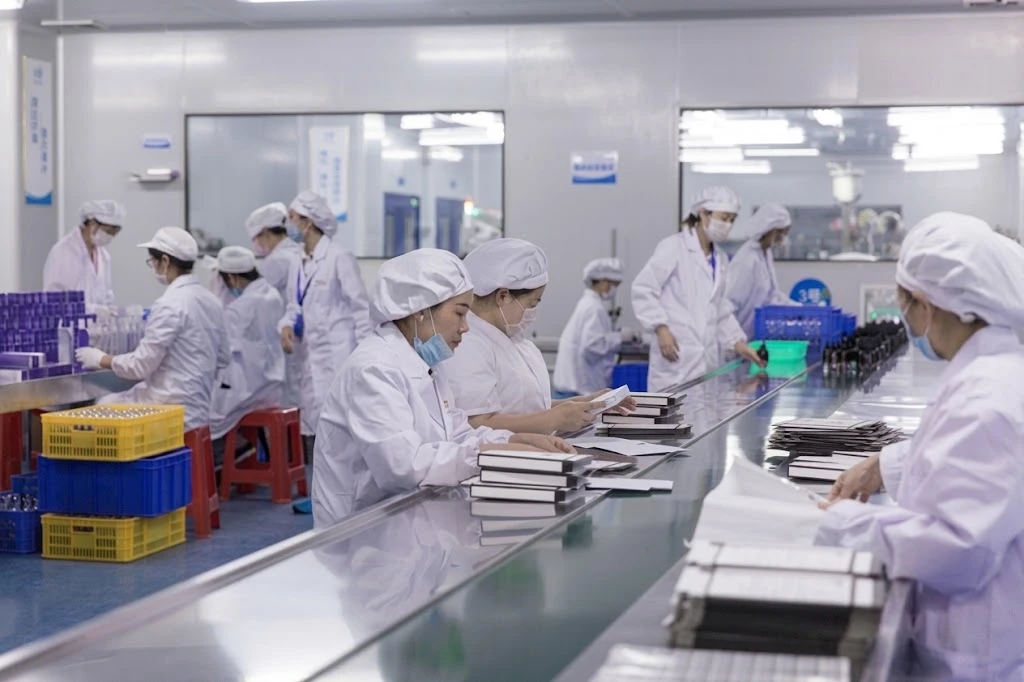
Sampling should be fast and representative of bulk. You want the sample to match the production mask in substrate, essence, and fit. Slow or inconsistent sampling is usually a sign of a weaker production line. Our sheet mask production overview summarizes the formats we run on existing lines, which helps you scope a realistic first order and set expectations on lead time.
Confirm customization depth
The right partner adjusts essence, fragrance-free options, substrate weight, and packaging together. Cosmetic-compliant claims such as “hydrating” and “refreshing” are supported; medical or clinical language is avoided to keep your market approvals clean.
Common Questions (FAQ)
Q1: What is the typical MOQ for a private label hydration mask?
A: MOQ is Flexible / Customizable. We confirm the figure after reviewing your formula, substrate, and packaging plan so the starting order matches your launch budget.
Q2: How long does sampling and production take?
A: Sampling typically runs within 3–7 days; bulk production 7–15 days depending on customization level and order size.
Q3: Can the mask be formulated fragrance-free or vegan?
A: Yes. We support fragrance-free and vegan-positioned essences within cosmetic-compliant claim boundaries; final claims are aligned with your target market rules.
Q4: What certifications support EU or UK import?
A: ISO 22716 and GMPC documentation, plus per-batch MSDS and COA, cover most B2B import and registration needs.
Get a Quote / Request Samples
Ready to launch or extend your hydration range? As a flexible hyaluronic acid sheet mask OEM/ODM partner we help brands move from concept to shelf with documented quality and customizable MOQ. Request a sample kit or a tailored quote, and review our private label services to scope your program with a partner who treats consistency as a specification, not a hope.