For overseas B2B buyers, face mask packaging customization is rarely just a finishing touch — it is the first thing a distributor, retailer, or end customer notices on a shelf or in an unboxing video. Whether you are launching a private label sheet mask range for Amazon, building a spa-grade hydrogel line for salons, or preparing single-use sachets for travel retail, the right pack format shapes perceived value, logistics cost, and regulatory readiness. This guide walks brand owners, importers, and procurement teams through the practical choices between pouches, jars, tubes, and cartons, and shows how to brief a manufacturer so your custom face mask plan moves from concept to a shippable product without costly re-runs. Below we break down formats, materials, labelling rules, and the questions that separate a smooth launch from a delayed one.
Why Face Mask Packaging Customization Drives Conversion
In a crowded B2B catalogue, packaging is the silent salesperson. Face mask packaging customization lets a brand control the first impression: the foil finish, the matte carton, the embossed logo, the unboxing rhythm. Buyers who reorder are not only buying the formula — they are buying a package their own customers will trust. A well-structured pack also reduces damage in transit, simplifies shelf stacking, and gives sales teams a concrete story to tell retail buyers.
For private label programs in particular, the pack is where brand identity lives. Working with a partner that offers end-to-end private label services means the same team can align formula, filling, and pack design, which shortens the path from mood board to production. When the pack and the product are developed together, you avoid the mismatch that happens when a great mask arrives in a pouch that fights the brand’s premium positioning.
Customization also supports pricing strategy. A modest upgrade from a flat sachet to a resealable stand-up pouch can justify a higher unit price in certain channels, while a bulk jar format can lower per-unit cost for spa and clinic use. The key is matching the format to the channel and the buyer, not to a generic template that ignores how the product is actually used.
Pouch Formats for Sheet and Powder Masks
Pouches dominate the sheet mask and powder mask categories for good reasons: they are light, cheap to ship, and easy to print at scale. The most common formats are the single-use sachet, the flat pouch, and the stand-up pouch with a resealable zipper. The right face mask packaging customization for sheet formats usually starts with the sachet, because it protects the serum, extends shelf life through foil lamination, and makes multi-step routines simple for the end user.
Single-use sachets are the workhorse of the sheet mask world. They suit subscription boxes, hotel amenities, and travel retail, where portion control and hygiene matter more than refill convenience. The trade-off is that they use more material per gram of product than a shared jar, so they fit higher-margin, experience-led brands rather than bulk clinic use.
Flat and stand-up pouches suit powder masks, multiple masks per pack, and bulk sheet mask booklets. A stand-up pouch with a clear window lets buyers see the mask inside, which helps at the point of sale. When you brief a manufacturer for OEM and ODM production, specify the laminate structure (PET/AL/PE is typical), the barrier level, and whether you need a tear notch, spout, or hanging hole. These small details decide whether the pack feels premium or disposable in the buyer’s hand.
If you are weighing formats against other mask types, our comparison of sheet masks versus hydrogel masks covers how formulation choice interacts with pack format, since a delicate hydrogel needs different support than a saturated non-woven sheet.
Jar and Tube Options for Cream, Sleeping, and Wash-Off Masks
When the product is a cream, gel, sleeping mask, or wash-off clay, jars and tubes take over from pouches. Jars in PP or PET are familiar, stackable, and easy to fill at scale. Tubes — especially airless pump tubes — extend shelf life by limiting air exposure and feel modern in the hand, which appeals to brands targeting younger, routine-driven buyers.
Sleeping masks and overnight treatments skew toward jars and wide-mouth pots because the texture is richer and the dosage is a fingertip scoop. Wash-off clay and peel-off masks also suit jars, though peel-off formulas benefit from a tighter seal to prevent the film from drying at the rim. For a closer look at how peel-off and rinse-off formats behave on the B2B shelf, see our peel-off versus rinse-off comparison.
Material choice matters for both compliance and perception. Food-grade PP, recycled PET, and glass each send a different signal, and each pairs with different certification expectations for your target market. A manufacturer running ISO 22716 and GMPC systems can document material contact safety, which is exactly what importers need when customs or retailers ask for evidence that the pack is fit for purpose.
Cartons, Labels, and Compliant Print for Cross-Border B2B
Most masks ship in a secondary carton even when the primary pack is a pouch or jar. The carton carries the regulatory print: INCI ingredient list, net weight, batch number, expiry or period-after-opening, country of origin, and responsible-person details. For cross-border B2B, getting this print right the first time avoids hold-ups at the border and protects launch dates that were agreed with retail buyers months in advance.
Cross-border buyers should treat face mask packaging customization as a compliance project, not only a design exercise. Label language is a frequent pain point. A carton destined for the EU needs different text than one for the Gulf or Southeast Asia, and multilingual layouts eat valuable space. Plan the carton grid early, and keep claims at the cosmetic level — hydration, refreshing feel, soft touch — rather than therapeutic language that triggers stricter review in some markets.
Print technique also affects cost and lead time. Digital carton printing suits small runs and frequent artwork changes, while offset printing lowers unit cost at volume. If your formula features actives such as hyaluronic acid, our guide to hyaluronic acid sheet masks explains how to position efficacy claims so the pack and the product tell one consistent story to the end customer.
How to Brief Your Manufacturer for a Smooth Run
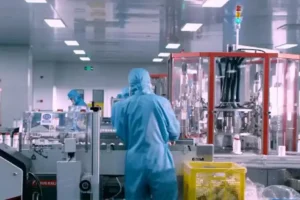
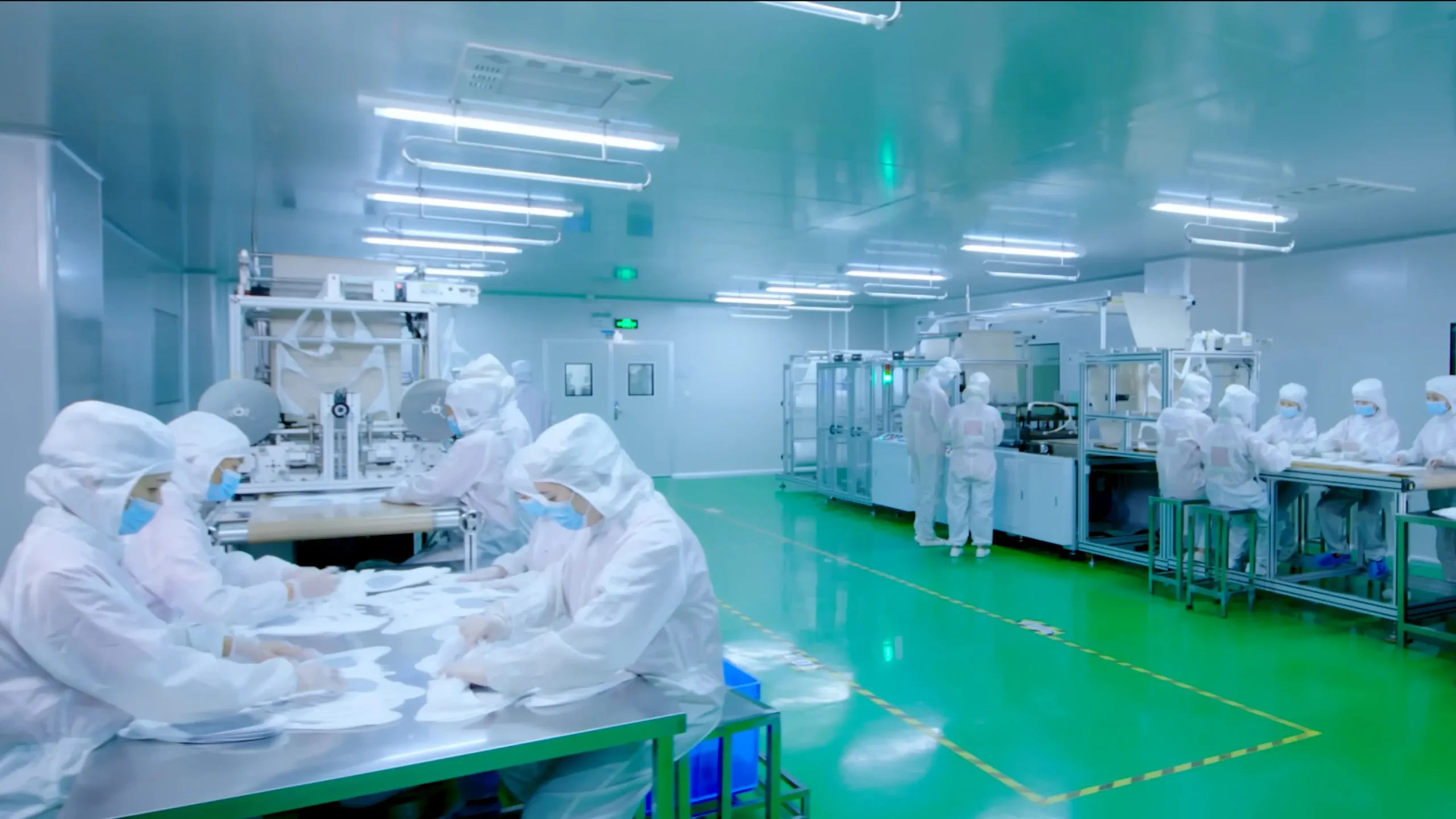
A clean brief is the cheapest insurance against a failed production run. Send your artwork in vector format, confirm the component specifications (pouch size, jar capacity, carton dimensions), and state your target shelf life and fill tolerance. Ask for a pre-production mock-up so you can feel the pack before committing to a full order, and confirm the supplier can handle your chosen laminate or resin on their existing filling line.
MOQ on custom packaging is Flexible / Customizable — it is confirmed after we review your formula, component choice, and order plan, because a fully bespoke jar tool carries different economics than a stock jar with custom print. Sampling typically runs within 3–7 days for existing components, and bulk production 7–15 days depending on customization depth. Sharing your channel and volume early lets the team propose the format that protects both margin and lead time.
When you are ready, the fastest path is to reach out to the manufacturing team with your concept, target market, and preferred formats. A short call often resolves more than a long email, and it sets realistic expectations on tooling, print, and shipping before any artwork is locked.
Common Questions (FAQ)
Q1: What is the typical MOQ for custom packaged face masks?
A: MOQ is Flexible / Customizable. It is confirmed after we review your formula, packaging components, and order plan, so we can match the run size to your channel and budget rather than forcing a one-size minimum that hurts either margin or speed.
Q2: How long does packaging sampling and production take?
A: Sampling with existing components typically runs 3–7 days. Bulk production runs 7–15 days depending on how much is bespoke — custom jar tooling or special laminates add time versus stock components with custom print.
Q3: Which certifications and files should I verify before ordering?
A: Verify ISO 22716 and GMPC systems, and expect MSDS and COA per batch. For the pack itself, confirm material food-contact documentation and any market-specific labelling evidence your importer requires at the border.
Q4: Can I supply my own artwork and components?
A: Yes. You can provide vector artwork and, in many cases, your own empty components for filling. The manufacturer will confirm compatibility with the filling line and advise where a stock component saves cost without hurting the brand look.
Get a Quote / Request Samples
Ready to turn your concept into a shippable product? Whether you need a single-use sachet for travel retail or a premium jar for spa channels, our team can align formula, filling, and face mask packaging customization in one program. Contact us to request samples and a custom quote, and review our private label services to see how a single partner can shorten your time to market while keeping the pack and the product perfectly in sync.