Hydrogel Face Mask OEM: Formulation, Packaging, and Private Label Options for B2B Buyers
Sourcing a hydrogel face mask OEM partner is one of the fastest ways for a B2B brand, distributor, or spa chain to add a premium-feel treatment to its range without building a formulation lab from scratch. This guide walks procurement and brand teams through the formulation choices, packaging formats, and supplier checks that determine whether a hydrogel mask actually sells at retail and reorders well. If you are scoping a private label line, the practical detail below should save you at least one costly sampling round and help you brief your contract manufacturer with confidence.
Why Hydrogel Masks Win Shelf Space for B2B Brands
A hydrogel face mask OEM arrangement gives brands a finished, high-perception product built on a water-rich polymer sheet rather than a traditional nonwoven carrier. The result feels cooler, sits closer to the skin, and reads as a premium step in any routine. For importers and Amazon or TikTok sellers, that perception translates into stronger shelf photos, higher perceived value, and healthier margins than a basic tissue mask can support.
Most buyers first meet the category through a sheet mask vs hydrogel comparison, where the hydrogel format consistently scores higher on fit and serum delivery. The same buyers then return looking for a dedicated hydrogel face mask OEM who can stabilize the gel matrix, hold actives, and ship a consistent sheet. That repeat intent is exactly why the format deserves its own sourcing strategy instead of being treated as a passive variant of a standard sheet program.
From a supply-chain view, the appeal is flexibility. A capable hydrogel face mask OEM can run small pilot batches, adjust the gel thickness, and swap actives without retooling an entire production line. For a startup building a brand from concept to shelf, that responsiveness shortens the path from sample to listing and lowers the cash tied up in first inventory.
Key Formulation Considerations When Sourcing Hydrogel Masks
Before you request a quote, decide what kind of gel you actually need. There are two practical families: a biocellulose or microbial-culture gel, and a synthetic polymer gel built on agar, carrageenan, or similar hydrocolloids. Each behaves differently on the line and on the face, so a serious hydrogel mask supplier will walk you through the trade-offs instead of pushing a single stock formula that may not fit your claim set.
Active load is the next lever. Hydrogel sheets hold serum well, which makes them a strong home for hydrators such as glycerin and panthenol, soothing botanical extracts, and hyaluronic acid for hydration. Keep claims cosmetic: words like “refreshing,” “soft-feel,” and “hydrating” keep you compliant across markets, while medical or therapeutic language should stay out of the brief entirely.
Stability and texture deserve equal attention. A good hydrogel face mask OEM will show you accelerated stability data, confirm the sheet releases cleanly from its backing film, and prove the gel does not weep or shrink during its shelf life. If a supplier cannot share that evidence, treat it as a red flag rather than a minor gap in documentation.
Finally, match the formula to your brand story. Clean beauty and vegan mask compliance now drive a large share of B2B requests, so confirm preservative system, origin of raw materials, and cruelty-free status before you commit a production slot.
Packaging and Format Options for Hydrogel Masks
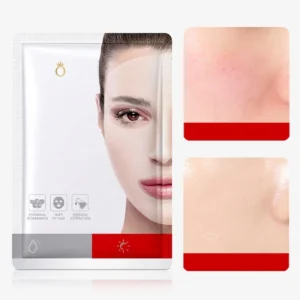
Hydrogel sheets are delicate, so packaging is where many programs succeed or fail. The most common retail unit is an individual sachet with a foil or PE laminate that protects the gel from drying out. A capable hydrogel mask OEM will help you choose between a flat sachet and a contoured pillow pack, then align the print and finish with your brand guidelines so the unit looks right on a crowded shelf.
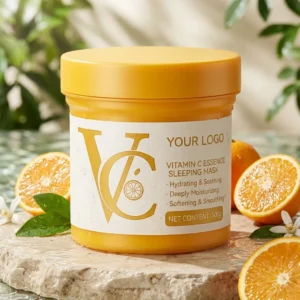
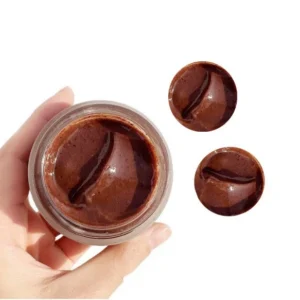
Beyond the single sachet, buyers increasingly ask for jar-packed or cup-format gels, especially for spa and professional channels where the mask is applied in treatment. The packaging customization guide covering pouch, jar, and carton is a useful reference when you are weighing which secondary packaging fits your distribution. Carton specs, insert cards, and outer shippers all feed into landed cost, so decide early and lock them with your supplier.
One more format note: hydrogel sheets pair naturally with sleeping and overnight mask formats for brands that want a complementary night treatment. A flexible manufacturing partner with a broad format menu lets you extend the line later without re-qualifying a supplier or duplicating audit work.
How to Evaluate a Hydrogel Mask Manufacturing Partner
Auditing the factory is the step most buyers under-invest in, and it is the one that protects your brand. Start with certifications: ISO 22716 and GMPC standards define the cosmetic manufacturing baseline you should verify before signing. A legitimate hydrogel face mask OEM will provide certificates on request and explain how batch records are kept and how change control is handled.
Run a short factory audit checklist before ordering so you capture cleanroom status, staff training, and traceability of raw materials. Pay special attention to how the gel is cast and cut; inconsistent sheet dimensions are the fastest way to generate customer complaints and avoidable returns that damage a new listing.
Documentation matters as much as the product. Your hydrogel face mask OEM should hand you MSDS, COA per batch, and region-specific files such as CPNP for the EU without friction. MOQ for a hydrogel run is Flexible / Customizable, confirmed after the formula, packaging, and order plan are reviewed together so both sides understand the true landed cost.
Common Questions (FAQ)
Q1: Is hydrogel more expensive than a standard sheet mask?
A: Typically yes, because the gel matrix and careful packaging cost more to produce. Many B2B buyers accept the premium because the format supports a higher retail price and stronger brand positioning that a basic tissue mask cannot match.
Q2: What is the typical MOQ for a hydrogel manufacturing run?
A: MOQ is Flexible / Customizable. It is confirmed after the formula, packaging format, and forecast are reviewed, so early alignment on volume helps you lock a fair production slot.
Q3: How long does sampling and production take?
A: Sampling is usually completed within 3–7 days for a standard gel; bulk production runs roughly 7–15 days depending on customization and order size, with complex actives adding modest lead time.
Q4: Which certifications should I verify before ordering?
A: Verify ISO 22716, GMPC, and GMP, and confirm MSDS and COA are provided for every batch. These documents are the backbone of compliant cross-border selling and smooth customs clearance.
Get a Quote / Request Samples
If you are ready to scope a hydrogel face mask OEM program, the efficient next step is to share your target format, preferred actives, and estimated volume so a tailored sample plan can be built. A responsive partner will return a formulation proposal, a packaging mock, and a realistic timeline rather than a generic price sheet. You can also review the 10 questions to ask before signing a mask OEM contract so your agreement covers gel spec, reorder terms, and IP protection from day one. Reach out today to request samples and a private label quote tailored to your market.
Meta: focus_keyword=hydrogel face mask OEM | words≥1200 | internal_links 5–8 | keyword_occurrences 6–10