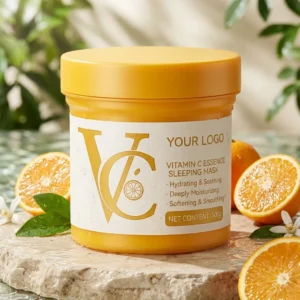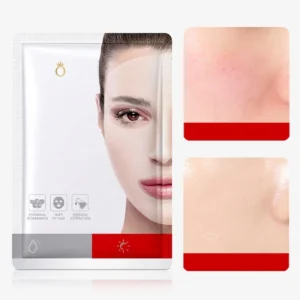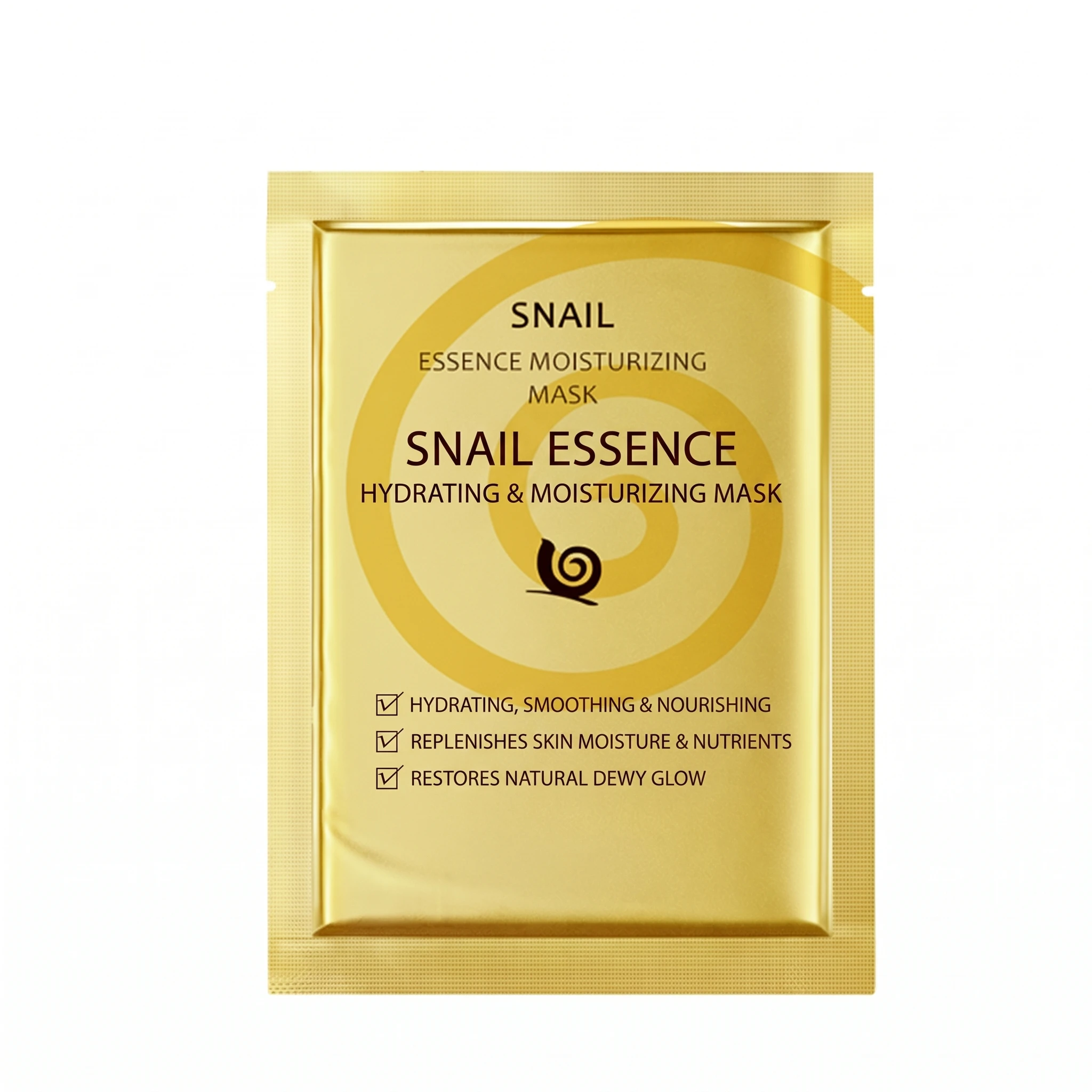
When a buyer hands a manufacturer a competitor’s product and asks for “the same thing,” what they are really requesting is benchmark face mask sample replication. For overseas B2B buyers building a private label line, the ability to match an existing reference mask — its texture, fit, essence clarity, and packaging feel — is often the fastest route from concept to a shelf-ready product. Yet replication is rarely a simple copy. It involves reverse-engineering the substrate, reconstructing the formula within cosmetic-compliant boundaries, and validating consistency across small pilot batches. This guide walks brand owners, distributors, SPA networks, and Amazon or TikTok sellers through what a professional benchmark face mask sample replication project actually delivers, how the timeline and cost behave, and which questions separate a capable OEM/ODM partner from a vendor that will leave you with an inconsistent result.
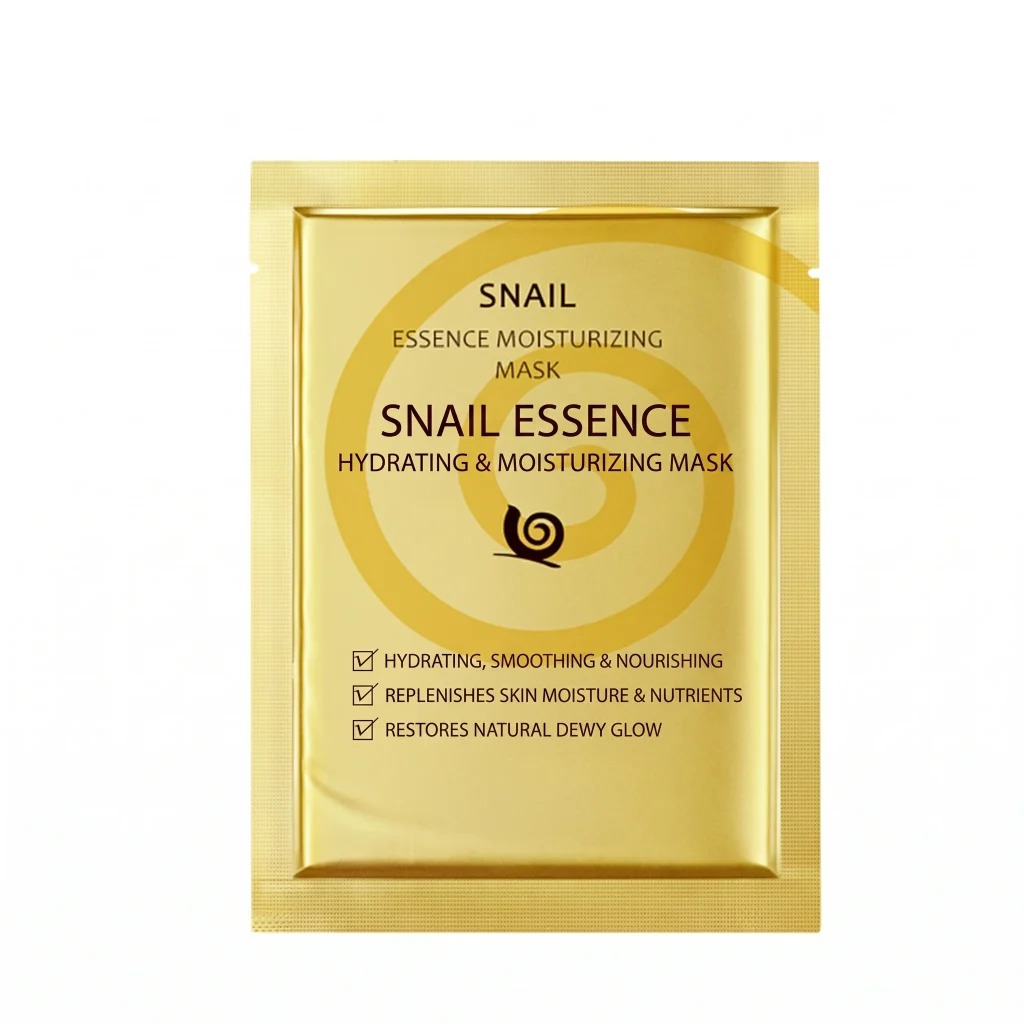
Why Benchmark Replication Matters for Private Label Buyers
Developing a formula from a blank sheet can take weeks of iteration and still miss the market feel the founder pictured. Benchmark face mask sample replication shortens that loop because the reference itself defines the target. Buyers can point to a best-selling sheet mask, hydrogel mask, or sleeping mask and describe exactly what they want — the drape, the slip, the scent-free or lightly scented profile, the serum load. This is especially valuable for startups that lack an in-house formulation team but have a clear commercial benchmark in mind.
A trustworthy partner turns the reference into a customizable specification rather than a guess. Before you commit, review how OEM and ODM models differ to decide which engagement fits your roadmap. Either path should preserve your ability to tune the result to your brand, not lock you into a rigid copy of someone else’s product.
What a Benchmark Sample Should Include
A credible benchmark face mask sample replication brief starts with the physical reference and a short list of what “good” looks like to you. The substrate matters first: is the original a non-woven sheet, a bio-cellulose film, or a hydrogel matrix? Each material behaves differently in production and on the skin, so the choice sets the ceiling for how close a replica can get. Our bio-cellulose material and cost guide breaks down why that substrate is priced and performed the way it is, which helps you judge whether a cheaper substitute will read as “the same” to your customer.
The formula layer is the second pillar. A lab evaluates the essence for viscosity, pH, clarity, and the actives that drive the sensory story — hydration from humectants, a cooling feel from specific alcohols, or a soft after-feel from esters. Crucially, all claims stay on the cosmetic side: we describe refreshment, hydration, and a comfortable after-feel, never therapeutic or clinical outcomes. The third pillar is packaging, where pouch weight, seal type, and carton finish all contribute to the unboxing impression your customer remembers.
The Replication Process: From Reference to Pilot Batch
The technical core of benchmark face mask sample replication is reverse formulation. A lab technician assays the reference’s key physical parameters — serum load per mask, substrate grammage, fold and fit — then rebuilds a formula that meets those targets using compliant raw materials. This is not a chemical clone; it is a cosmetic equivalent that performs and feels like the original while using a supply chain the manufacturer actually controls. That distinction protects you from single-source fragility and from reformulation surprises later.
Once a candidate formula exists, the partner produces a small pilot batch — often a few hundred units — for your evaluation. This is where sampling lead time and time-to-market become practical: a well-run pilot should land within a predictable window so you can compare it against the reference side by side. Expect to review drape, serum absorption, and scent, then request one or two adjustment rounds before approving the pilot for scale.
How to Evaluate a Manufacturer’s Replication Accuracy
When you request benchmark face mask sample replication, judge the partner by how they measure “close enough.” A professional lab documents the reference’s measurable attributes and reports your sample against each one, rather than relying on a subjective “looks similar.” Ask for a side-by-side on substrate grammage, serum weight, and pH. If the manufacturer cannot quantify the gap, they are guessing, and a guess will widen once production scales.
Consistency across batches is the real test. A pilot that matches the reference is useful; a process that matches it again at bulk volume is what protects your brand. This is why factory auditing before ordering matters even for replication work — you are buying a repeatable process, not a one-off sample. Verify ISO 22716 and GMPC alignment and confirm that batch records exist, because those records are what keep the second and tenth production runs aligned with the approved pilot.
Choosing the Right Substrate for Your Reference
Not every reference translates cleanly to every substrate. A lightweight non-woven sheet mask is comparatively easy to match and cost-efficient at scale, while our hydrogel vs sheet comparison helps you decide which format your reference actually uses. If your benchmark is a thin, sculpted film, bio-cellulose or a 3D PET structure may be the honest match, and those carry different tooling and cost profiles.
Actives also steer the target. A hyaluronic acid hydration formula sets expectations for slip and after-feel that differ from a gel-based cooling mask. Sharing the reference’s sensory story — not just its appearance — lets the lab prioritize the attributes your customers will notice first, so the replica earns repeat orders instead of one-time curiosity.
Common Questions (FAQ)
Q1: How close can a benchmark replication realistically get?
A: For substrate, serum load, and sensory feel, a capable manufacturer can reach a very close cosmetic equivalent on pilot batches. Exact molecular cloning is neither claimed nor needed; what matters is that the product performs and presents like the reference.
Q2: What is the typical MOQ for a replicated private label mask?
A: MOQ is Flexible / Customizable — confirmed after the formula, substrate, and packaging plan are reviewed together with your order volume.
Q3: How long does benchmarking and sampling take?
A: Sampling typically runs within a few days to a week per adjustment round, with pilot production following shortly after. Total time depends on how many refinement rounds the reference requires.
Q4: Which documents should I prepare when sending a reference sample?
A: Send the physical sample plus any target specs you have. For import, our import document checklist (MSDS, COA, CPNP) outlines what to assemble so customs and compliance move smoothly.
Get a Quote / Request Samples
If you have a best-selling mask you want to match, benchmark face mask sample replication is the most efficient way to turn that reference into your own private label SKU. Share the sample and your target specs, and we will return a pilot that performs like the original with a supply chain you control. MOQ is Flexible / Customizable, and our team documents each measurable attribute so you can verify the match before scaling. Reach out to start a benchmark project, and review our OEM vs ODM guidance to choose the engagement that fits your launch plan.