For any brand planning a private label or OEM face mask line, understanding the face mask sample cost and development timeline is the first practical step before you commit budget or sign a contract. A clear picture of sampling fees, formula development stages, and lead times helps you compare suppliers on equal footing and avoid surprises that stall your launch. This guide breaks down what goes into sample costing, how long each development stage typically takes, and which variables push the timeline faster or slower. Whether you are a startup testing one hero sheet mask or an established distributor expanding into hydrogel and bio-cellulose formats, the principles below apply. Read on for a buyer-side checklist you can take straight into a supplier meeting.
Why Face Mask Sample Cost and Development Timeline Matters for B2B Buyers
Budgeting for a new mask program starts long before production. The sampling phase is where you validate the formula feel, fragrance, and finish, and where most communication gaps between buyer and factory surface. When you request quotes, always ask for the face mask sample cost and development timeline in writing, broken into stages, so you can plan your launch calendar and cash flow.
A transparent quote also protects you from scope creep. Some suppliers quote a low sample fee but omit stability testing, compliance documentation, or packaging mockups, then bill those separately later. Others bundle everything but give you no visibility into how long each step takes. Either way, you lose control of your schedule. A supplier that itemizes each stage also makes it easier to benchmark two or three factories against the same specification, which is the foundation of a sound sourcing decision.
For brands working with flexible volumes, MOQ is Flexible / Customizable, which means the sample phase is also your chance to confirm that the factory can scale the formula you approve without reformulation. Our face mask sampling and lead time guide covers the production-side calendar in more detail once samples are approved.
What Drives Face Mask Sample Cost and Development Timeline
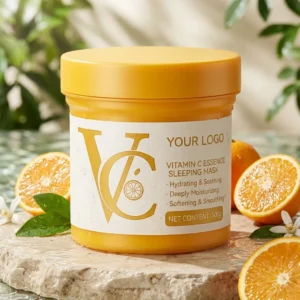
Three factors dominate sampling cost: formula complexity, customization depth, and packaging. A straightforward hydrating sheet mask built on a proven base costs far less to sample than a multi-active sleeping mask with a custom essence and a bespoke gel matrix.
Formula complexity is the first lever. If you start from a supplier’s existing, market-validated base and request minor adjustments, sampling is quick and inexpensive. If you ask for a fully novel emulsion, a specific active concentration, or a fragrance-free and vegan claim, the lab must run additional checks, which extends both your budget and your schedule.
Packaging choice is the second factor that shapes both budget and schedule. Sachets and standard pouches are easy to source and print, while custom jars, refillable tins, or co-molded eye patches require tooling and longer procurement. If speed matters, a ready made face mask formula with low MOQ paired with stock packaging is the fastest route to market.
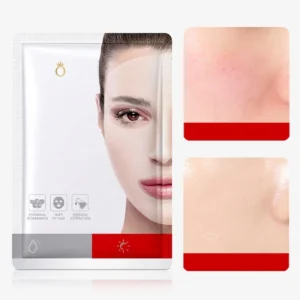
Material format matters too. A bio cellulose sheet mask manufacturer works with a different substrate than a traditional non-woven sheet, and the sampling process reflects that. Matching the format to your brand positioning early prevents expensive mid-project changes.
A Typical Face Mask Sample Cost and Development Timeline, Stage by Stage
Most development projects move through four stages. Yours may compress or merge them, but knowing the standard flow helps you spot delays.
Stage 1 — Brief and benchmark. You share your target market, claims, texture preference, and any benchmark product. The factory reviews feasibility and proposes a base formula. This usually takes a few days and is often free or low cost if you proceed.
Stage 2 — Sample formulation. The lab prepares the first physical sample. Expect 3 to 7 days for a standard sheet or hydrogel mask. More complex actives or custom fragrances add time.
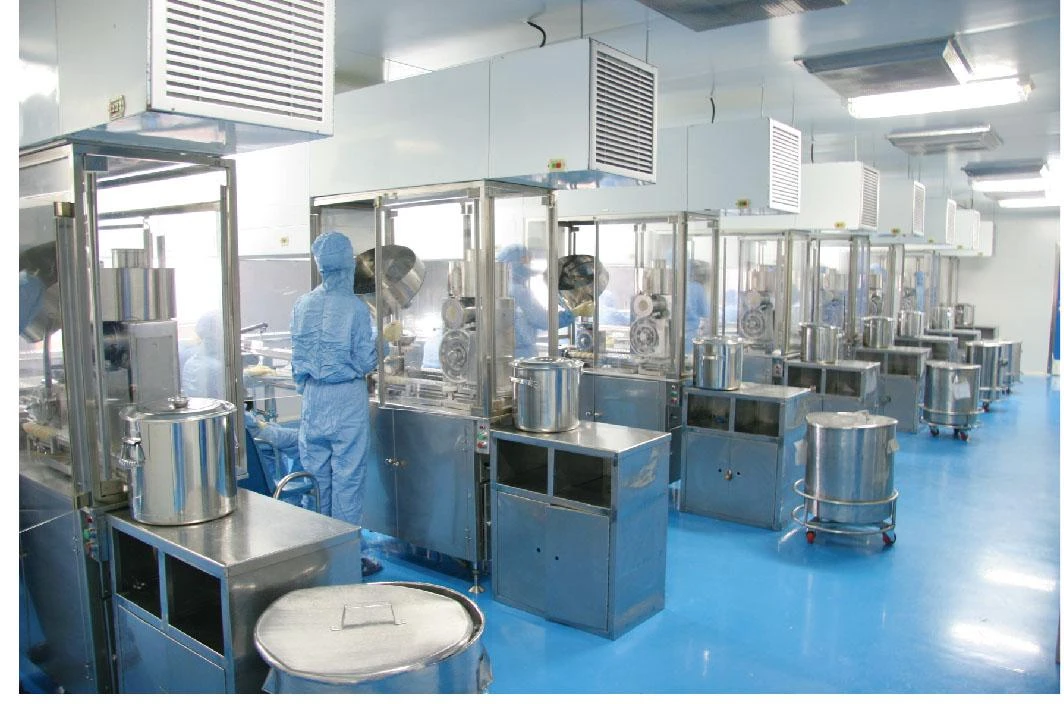
Stage 3 — Stability and documentation. Before bulk, reputable factories run short stability checks and prepare batch documents. You receive MSDS and COA, and for the EU market, CPNP notification support. This stage is where compliance readiness is confirmed.
Stage 4 — Pilot and sign-off. A small pilot batch validates the production process and lets you approve the final look and feel. Review our 10 questions to ask before signing a mask OEM contract so nothing is left open at sign-off. A thorough face mask factory audit before this stage reduces the risk of late surprises.
How to Compress the Face Mask Sample Cost and Development Timeline
Speed is often a competitive advantage, but it should never come from skipping compliance or quality steps. The cheapest way to shorten your sampling schedule is a precise brief: share target skin feel, forbidden ingredients, claim boundaries, and reference products up front. Ambiguous briefs generate rework.
Choosing the right partnership model also helps. Understanding OEM vs ODM face masks lets you decide whether to bring a formula or adopt the factory’s proven one. For many launches, a semi-custom approach is the sweet spot between speed and differentiation. Founders can also follow our private label launch roadmap to sequence sampling, packaging, and compliance in parallel rather than in series.
Pre-cleared packaging is another accelerator. If you select from the supplier’s stock pouch, jar, or carton catalog, you remove the longest procurement link from the critical path. Reserve fully custom packaging for hero SKUs where shelf differentiation justifies the wait.
Red Flags in Supplier Sample Quotes
Not every low quote is a good deal. Watch for suppliers who refuse to break the face mask sample cost and development timeline into stages, or who promise an unrealistically short schedule for a complex formula. Both signal either inexperience or hidden fees that appear later.
Also verify that compliance documents are included. A sample without MSDS, COA, and region-specific support (such as CPNP for Europe) is not launch-ready. Our import documents guide for MSDS, COA, and CPNP explains what to expect before goods move. If a supplier cannot produce these, the apparent savings evaporate at customs.
Common Questions (FAQ)
Q1: What is the typical MOQ for private label face masks?
A: Flexible / Customizable — confirmed after formula, packaging, and order plan review. Sampling lets both sides validate feasibility before volumes are fixed.
Q2: How long does sampling and production take?
A: Sampling typically runs within 3 to 7 days for standard formats; bulk production follows in roughly 7 to 15 days depending on customization and packaging lead time.
Q3: Which documents accompany samples and first orders?
A: MSDS and COA are provided per batch, with CPNP notification support for the EU market. Request these explicitly so your launch stays compliant.
Get a Quote and Request Samples
Planning your next mask line should start with a clear sampling plan, not a guess. Bring a precise brief, choose the right format and packaging, and ask every supplier to itemize the face mask sample cost and development timeline before you commit. When you are ready to compare options, request samples and a staged quote from a partner who documents each step transparently. Reach out through our contact channel with your target market and reference products, and we will outline a sampling path tailored to your brand.
Meta: focus keyword (L1 long-tail) | words≥1200 | internal links 5–8 | keyword occurrences 6–10