Choosing between OEM and ODM is one of the first decisions a beauty brand makes before a single mask reaches the shelf. A face mask OEM manufacturer builds the product to your own specification — your formula, your packaging, your name on the pouch — while an ODM partner hands you a ready-developed formulation that you rebrand. Both routes get you to market, but they differ sharply in control, cost, speed, and the level of technical work your team has to own. This guide breaks down how each model works, where the hidden trade-offs sit, and how to pick the right one for your stage, budget, and ambition. If you are still shaping the concept itself, our private label face mask line guide walks the full path from idea to shelf.
Why the OEM vs ODM Choice Matters for B2B Buyers
The model you choose changes almost everything downstream. With a face mask OEM manufacturer, you own the intellectual property of the formula. That means exclusivity, the ability to iterate the product over time, and a harder-to-copy offering for competitors. The flip side is responsibility: you supply or co-develop the brief, validate the claims, and usually carry more of the testing cost.
ODM flips that. The supplier has already invested in stable, market-proven bases — a hyaluronic acid sheet mask, a cooling gel mask, a brightening overnight format — and you apply your brand. Lead time drops, the upfront cost is lower, and a small team can launch a credible range without a chemist on staff. The trade-off is shared formulation: other brands may run the same base under different labels.
For a distributor or SPA chain, ODM is often the fastest way to put a branded mask in clients’ hands. For a brand building a defensible product story, custom face mask formulation through a true OEM partner is the stronger long-term play. Neither is “better” — they serve different go-to-market strategies. For brands weighing both, talking to a face mask OEM manufacturer early clarifies which claims are worth owning.
A third option sits between them: ODM-plus, where you take a proven base and request targeted adjustments — a different essence viscosity, an added active within regulatory limits, or a custom fragrance-free version. Many buyers start ODM and graduate to OEM as volume and confidence grow.
Key Considerations When Sourcing Private Label Face Masks
Before you commit to a model, pressure-test the supplier on four points that separate a real manufacturer from a trading company.
Formulation ownership. Ask directly: who holds the formula? With OEM, the answer should be you (or a joint development agreement). With ODM, the base is the supplier’s, and you license the use. Get this in writing — it governs what you can do later.
Minimum order flexibility. A trustworthy partner states MOQ as Flexible / Customizable after reviewing your formula, packaging, and order plan. Be wary of suppliers who quote a single rigid number for every product; mask formats vary wildly in tooling and fill cost. Confirm whether MOQ is per SKU, per flavor, or per production run.
Regulatory documentation. Every batch should ship with MSDS and COA. For the EU, confirm CPNP notification support; for other markets, ask about the specific filing path. A certified face mask manufacturer should produce ISO 22716 and GMPC documentation without hesitation.
Sampling discipline. Request a formal sample approval step before bulk. A proper partner runs a paid or complimentary sampling round (typically 3–7 days for existing bases, longer for custom development) and locks the approved sample as the bulk reference standard. This single step prevents most quality disputes.
These four checks apply whether you go OEM or ODM — they protect the buyer either way.
Formulation & Packaging Options for Custom Face Masks
The format you pick drives both the brief and the cost structure. A face mask OEM manufacturer should be comfortable across the main categories:
- Sheet masks — the volume workhorse. Non-woven, bio-cellulose, or cupra substrates, saturated with 20–30 ml essence. Low per-unit cost, easy to private label, ideal for subscription and promotional formats.
- Hydrogel masks — two-piece or one-piece gel matrices with a premium feel and stronger adhesion. Higher ticket, stronger “spa” positioning; see our hydrogel mask guide for formulation detail.
- Sleeping and overnight masks — cream or gel textures in jars or tubes, designed for leave-on use. Popular in Asia and growing fast in Western routines.
- Peel-off and rinse-off — clay or serum bases in sachets, tubes, or jars.
Packaging is where brand identity lives. Options range from single-use sachets and foil pouches to stand-up pouches, jars, and cartons. A capable private label face mask supplier helps you match the pack to the product: a delicate hydrogel wants a rigid tray; a sheet mask wants a foil pouch with a nitrogen-flush option for stability.
Sustainability is now a sourcing criterion, not a nice-to-have. Ask about recyclable mono-material pouches, FSC cartons, and reduced-foil laminates. Buyers increasingly shortlist suppliers on this alone.
How to Evaluate a Face Mask ODM Partner
If ODM is your route, the evaluation shifts from “can they build my spec” to “is their existing portfolio good enough, and can they support my brand.” Run this short audit:
- Taste the基准. Request physical samples of the exact bases you plan to use, not showcase formulas. Smell, texture, and finish tell you more than a spec sheet.
- Check stability data. A real ODM partner has accelerated stability and compatibility results for its bases. No data, no deal.
- Confirm customization headroom. Can they adjust viscosity, add a permitted active, or go fragrance-free? The answer defines how “yours” the product feels.
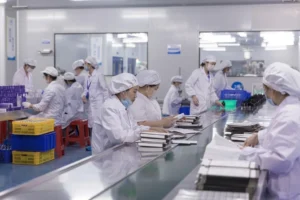
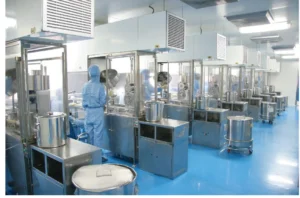
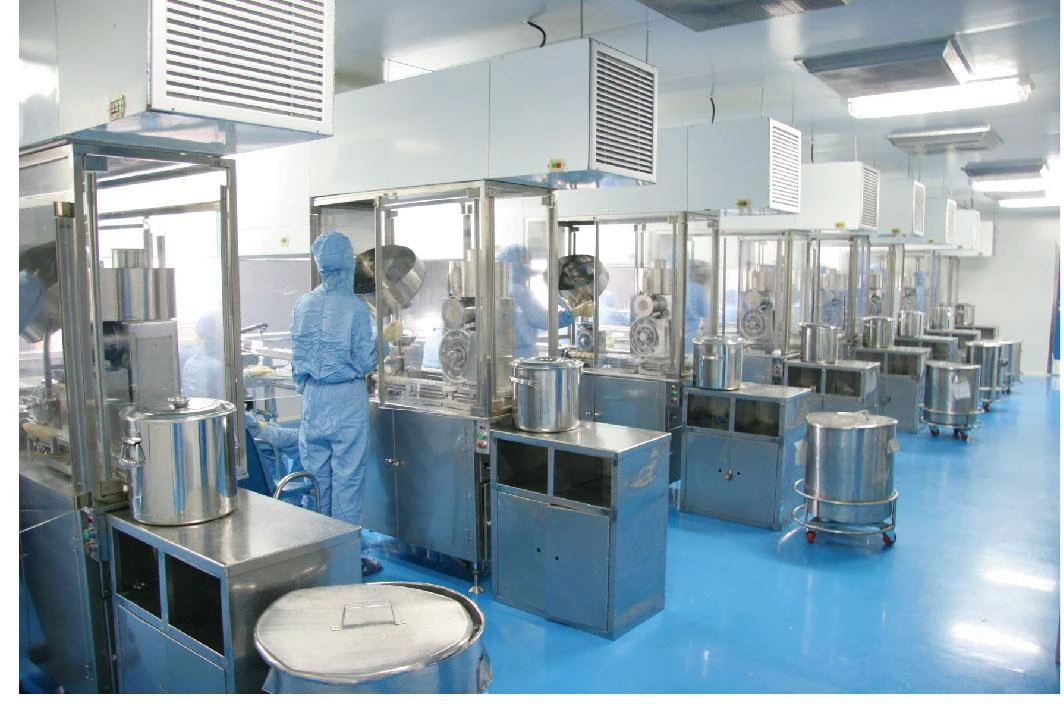
- Verify capacity and lead time. Ask for typical bulk lead time (commonly 7–15 days after approved sample) and peak-season planning. A face mask factory audit should include a look at actual line utilization.
- Review the contract. Who owns what, what are the reorder terms, and what happens if a batch fails spec? Clarity here prevents painful surprises at scale.
For OEM, add a deeper technical review: can their R&D co-develop from a benchmark, do they file the safety assessment, and will they sign a confidentiality agreement protecting your formula?
Common Questions (FAQ)
Q1: Is OEM more expensive than ODM?
Generally yes at launch. OEM carries development, testing, and often exclusivity fees; ODM spreads those costs across many clients. Over time, OEM can be cheaper per unit at volume because you are not paying a shared-formula premium.
Q2: Can I start with ODM and switch to OEM later?
Yes, and many brands do. Start with a proven ODM base to validate the market, then move to a custom OEM formula once you know which claims and textures your customers reorder.
Q3: What is the typical MOQ for private label face masks?
Flexible / Customizable — confirmed after formula, packaging, and order plan review. Sheet masks often sit lower than hydrogel or jar formats because tooling is simpler.
Q4: How long does sampling and production take?
Sampling within 3–7 days for existing bases; bulk production 7–15 days depending on customization and season. Custom OEM development adds formulation and stability time before sampling.
Get a Quote / Request Samples
The right model depends on your brand stage, not on a generic “best practice.” If you are validating a concept, ODM gets you live fastest; if you are building a defensible product, a face mask OEM manufacturer gives you ownership and room to iterate. Either way, start with samples and a signed specification before you commit to bulk.
Talk to our team about your formula, packaging, and volume plan, and we will map the OEM or ODM route that fits. Request samples or a custom quote — or browse more sourcing playbooks on the face mask blog to sharpen your brief before the call.
Meta: focus_keyword=face mask OEM manufacturer | words≥1200 | internal_links 5–8 | keyword_occurrences 6–10