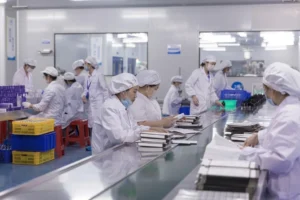
Choosing an ISO 22716 mask factory is one of the highest-leverage decisions a private label skincare brand, spa chain, or distributor can make before committing to a face mask program. The standard governs cosmetic Good Manufacturing Practices, which directly shapes batch consistency, documentation quality, and how smoothly your products clear import and registration in the EU, UK, and Middle East. For B2B buyers the certification is not a marketing badge — it is the operating system behind every mask that reaches your customer. In this guide we explain what ISO 22716 and the related GMPC framework actually require, how to verify a supplier’s claims, and where these certifications fit into your sourcing, sampling, and launch plan.
Why an ISO 22716 Mask Factory Matters for B2B Buyers
The first thing to understand is that an ISO 22716 mask factory runs on documented procedures rather than individual habit. Every step — from raw material receipt to filling, packaging, and storage — is described, trained, and recorded. That discipline is what lets a 5,000-piece reorder taste, feel, and look identical to the approved sample. When you compare OEM vs ODM mask manufacturing models, the manufacturer’s quality system is the quiet differentiator that protects your brand when volume scales. A buyer who sources from a facility with weak documentation is effectively betting that nothing goes wrong on a line they cannot see.
Working with an ISO 22716 mask factory also shortens the path to market. Customs brokers and downstream retailers increasingly ask for evidence of a controlled production environment. A supplier that can produce batch records, MSDS, and COA on request removes a common cause of clearance delays. For brands building a private label face mask program, that paperwork readiness is as valuable as the formula itself because it keeps revenue moving instead of sitting in a hold.
GMPC and GMP: The Cosmetics-Specific Quality Layer
ISO 22716 is the international standard for cosmetic GMP, but many buyers also encounter GMPC, the guidelines issued by cosmetic trade bodies. Both describe the same intent — a clean, controlled, traceable manufacturing process — with GMPC often mapping closely to ISO 22716 requirements. When a supplier points to an ISO 22716 and GMPC certified facility, what you are really buying is a defined chain of custody for every ingredient, machine, and operator that touches your product.
The practical signals of a genuine system are boring in the best way: pest control logs, calibrated equipment, segregated incoming and outgoing areas, and trained staff who follow written steps. None of this shows up in a product photo, yet all of it determines whether a mask stays stable through a hot shipping lane or a long warehouse stay. B2B buyers who ask for the underlying evidence — not just the certificate on a wall — consistently receive more consistent goods.
What to Verify in a Cosmetic Manufacturing Certification
A certificate is a snapshot, not a guarantee. The first check is validity: confirm the issuing body, the scope, and the expiry date, and verify the facility named on the certificate matches the plant where your order will actually be made. A serious sheet mask production overview should include the line layout and the batch sizes the certificate covers. If the certified site is a showroom while production happens elsewhere, the assurance evaporates.
Next, look at the supporting documents a genuine ISO 22716 mask factory maintains. Ingredient traceability, in-process checks, and finished-goods release testing should all be on file. Buyers exploring hydrogel mask options should expect the same documentation discipline regardless of substrate, because the quality system applies to the whole plant, not a single product line. Ask to see a redacted batch record from a comparable order so you can judge whether the paper trail is real or assembled on request.
How to Audit a Face Mask Factory’s Quality System
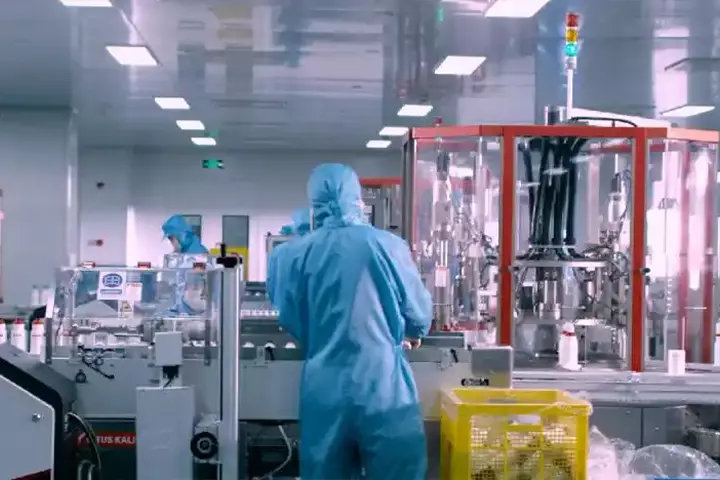
You do not need to be a chemist to audit a facility. Start with a live video walk-through or an on-site visit focused on three zones: raw material quarantine, the filling and sealing area, and finished-goods storage. Observe whether operators follow written procedures and whether hygiene barriers are actually in use. The sheet mask vs hydrogel formulation guide we published covers format trade-offs, but the manufacturing environment behind each format is what keeps those products safe and stable. A clean, calm line is usually a well-run line.
Also review the supplier’s corrective-action history. Every plant has deviations; what separates a professional ISO 22716 mask factory from a casual one is how quickly and transparently it responds. Ask how a past contamination, label error, or equipment fault was investigated and prevented from recurring. Vague answers are a stronger signal than any certificate, because they reveal whether the quality culture is embedded or decorative. For deeper reading, our face mask manufacturing blog collects audits, checklists, and buyer-side case notes you can bring into your own supplier review.
Using Certifications to De-Risk Your Private Label Order
Certifications become most powerful when they sit inside a complete sourcing checklist rather than standing alone. Pair the ISO 22716 and GMPC evidence with a clear sampling workflow, a defined MOQ, and a packaging plan that matches your channel. MOQ is Flexible / Customizable for private label programs, so the certificate should help you scale confidently rather than lock you into a rigid first order. Buyers who align quality documentation with formula and packaging decisions early tend to reach market faster and with fewer surprises.
The ISO 22716 mask factory you ultimately choose should also support cosmetic-compliant claims only — hydration, refreshing, soft-feel — and avoid medical or clinical language that complicates market approvals. Documented quality plus compliant claims is the combination that lets a new label build trust with retailers and end customers at the same time. Treat the certificate as one input to a broader risk decision, and it will pay back across every reorder.
Common Questions (FAQ)
Q1: Is ISO 22716 the same as GMPC?
A: They share the same goal of cosmetic Good Manufacturing Practice. ISO 22716 is the international standard; GMPC is a closely aligned guideline set. Many facilities hold both, and either gives B2B buyers strong assurance of a controlled production environment.
Q2: What documents should an ISO 22716 mask factory provide per batch?
A: At minimum, expect a batch record, MSDS, and COA. Depending on your target market, CPNP or equivalent registration support may also be available. Request these before bulk production, not after.
Q3: Does certification affect MOQ or lead time?
A: Certification itself does not fix a minimum order quantity. MOQ remains Flexible / Customizable, confirmed after we review your formula, packaging, and order plan. Sampling typically runs 3–7 days; bulk production 7–15 days depending on customization.
Q4: Can a certified factory still make mistakes?
A: Yes. Certification reduces risk; it does not eliminate it. The differentiator is how the supplier detects, documents, and prevents recurrence of deviations — which is exactly what a strong ISO 22716-certified factory is built to do.
Get a Quote / Request Samples
Ready to source from a documented, audit-ready partner? As an ISO 22716 and GMPC certified facility we help brands move from concept to shelf with traceable quality and customizable MOQ. Request a sample kit or a tailored quote, and review our private label services to scope your program with a manufacturer that treats consistency as a specification, not a hope.